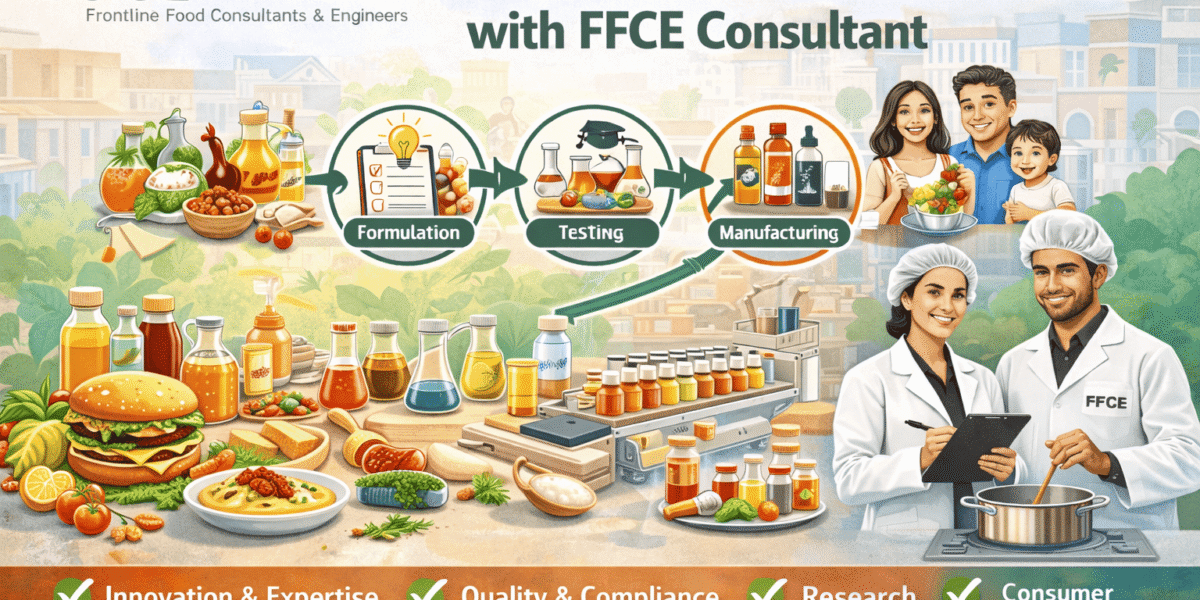
The food industry continues to evolve with product formulations that present us with nutritional and health benefits. Food recipe development requires a comprehensive study on the ingredients used, interactions that occur and the available technologies for product development. Changing consumer preferences, realization of the importance of a balanced diet, and varying dietary pattens have contributed to the advancements in food industry. Developing the right recipe is important but translating the work from R&D to large-scale manufacturing requires an integrated approach. The first step prior to food formulation development is the evaluation of raw materials used, cost and identification of allergens. Transitioning from the lab to mass production requires formulas (relative percentages) more than recipes. This ensures scalability and consistency. Sticking to a formula helps in retaining the texture, mouthfeel and quality of the products irrespective of size.
It is also important to analyze the product goals i.e. if the specific product is developed for fitness enthusiasts or kids’ health or for diabetic patients etc. This will help in choosing the right ingredients based on the nutrition, functionality and flavor. For instance, protein source can be chosen from dairy (whey) as well as from plant-based (chickpea, soy). Sweeteners can be from natural (honey, maple syrup, stevia, monk fruit etc.) or artificial (sucralose, aspartame) sources and the choice of binders (dates, oats, figs etc.) for desired applications. The next step is to pick the right texture (chewy/soft/crunchy), taste (savory, sweet, salty, bitter etc.) and calculate the nutritional content (proteins, calories, fiber, fat etc.). After the recipe formulation, it is important to check how long the product remains safe with the desirable quality. Shelf-life testing is conducted to evaluate its sensory appeal under controlled conditions (humidity, temperature, atmospheric pressure, light etc.). Any change in physical (color, texture, appearance), chemical (ingredients breakdown, presence of contaminants), sensory (alterations in texture, off-flavor) parameters are recorded during this stage. This test helps to determine any risks associated with degradation, proper storage conditions and stability.
Another important aspect in the product roll out plan is to ensure that the formulated recipe matches the set regulatory standards and a food consultant will be able to shed light on this. Food safety certification is an important element in demonstrating compliance and indicates the company’s allegiance to preserving high safety standards. Food labelling regulations are practiced to keep customers informed of the contents of the package in addition to the date of expiry. Appealing package design also influences the purchase decision and spotting the right marketing domain to carry out trial runs will be highly beneficial. Acquiring customer feedback during the product launch will help to gather information on the product quality. The inputs will be useful in making amendments and fine-tuning the process during the development stage.